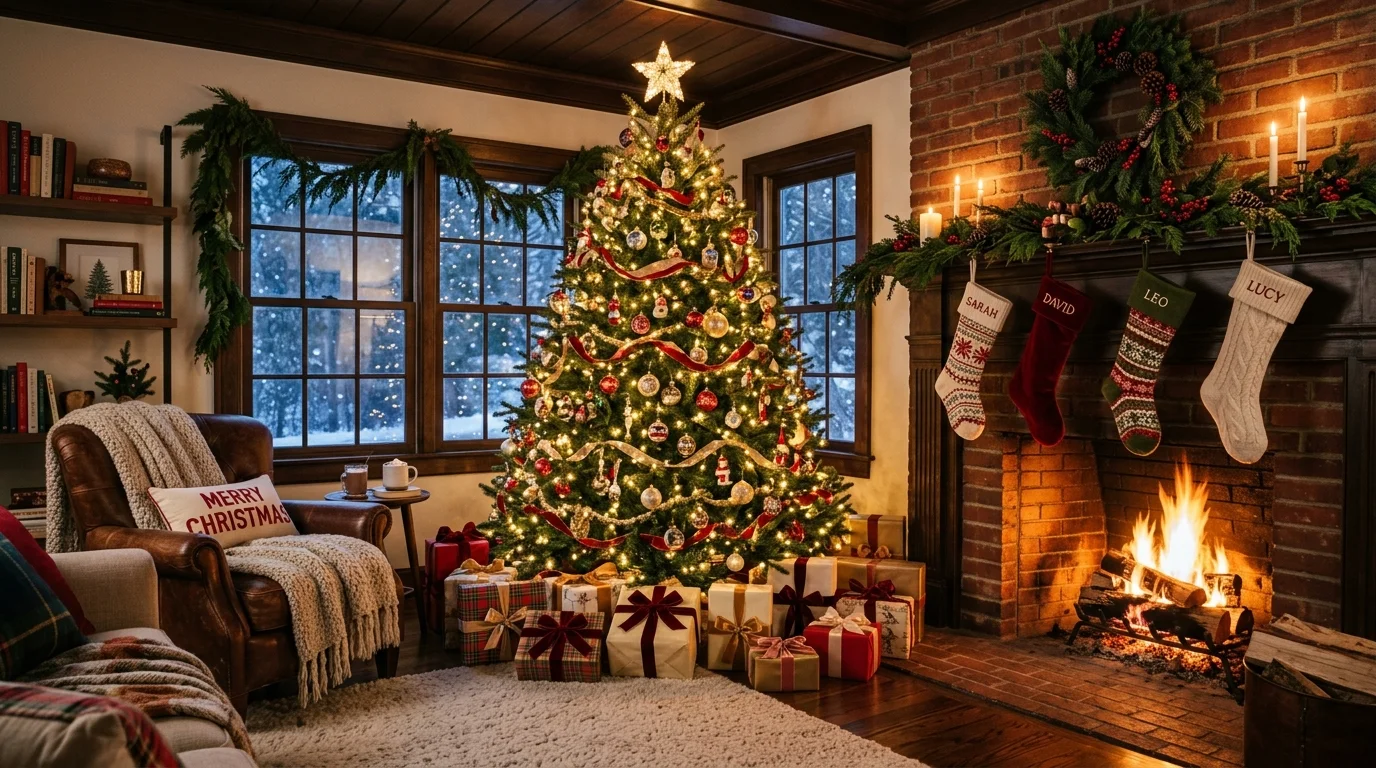
In the US, Christmas has religious, cultural and family meanings. Christmas is celebrated on December 25 to commemorate the birth of Jesus Christ. Many people like seasonal traditions. Some people do not celebrate Christmas. There is no single American routine. The holiday is influenced by beliefs, family traditions, location, work schedules and personal choice.
The Library of Congress says that Christmas celebrations are a mixture of secular and religious traditions. Its historical records contain family meals, handmade gifts, decorated trees, music and community gatherings. The examples above demonstrate how the traditions may vary with time and from household to household. Here are some common ways people mark the season.
Christmas is celebrated on December 25th. Christmas Day is listed as a U.S. federal holiday by USAGov and on federal holidays many government offices and some businesses are closed. Opening times depend on the individual workplaces and services, so please contact them directly when planning errands and travels. USA Gov’s federal holiday list provides the current date.
Christmas can be celebrated in many ways.
Families may mix religious worship with seasonal customs, or select only those customs that connect with them.
Some families have a Christmas tree and decorate it together. Trees may be natural or artificial. Decorations often reflect personal taste or family history.
| Decoration | How people may use it |
|---|---|
| Ornaments | Souvenirs, hand-crafted objects, or ornaments brought home over the years. |
| Lights | String the lights on a tree, windows, porch or other areas of the home. |
| Wreaths | Display a wreath on a door or wall. |
| Stockings | Hang stockings as part of a family custom. |
| Star or angel | Place one at the top of a tree. |
Some opt for simple decorations; others build elaborate displays. Libraries, shops, public squares and neighbourhoods can also be decorated for the season. Some families take a drive or walk around to enjoy the lights in the neighborhood.
The Library of Congress has photographs and historical references to Christmas trees, decorated houses, cards and other holiday traditions. These records offer a glimpse of how people have marked the holiday across generations. They are examples, not rules for how anyone should celebrate.
Many households exchange gifts, but it is upon each household when and how to give the gifts. Common gift-giving traditions include:
Children in some homes hear stories about Santa Claus. They may leave a snack or hang a stocking as part of their family’s tradition. These customs are optional.
The gift may be a book or some useful thing or some food made at home or just time together. For many, the point is showing care and attention. The value of the gift is no measure of the importance of the act. Some spend the day with friends, neighbors or chosen family.
Meals can make the day feel special. Some families have a big family dinner, while others may just have a favorite dish, get food delivered, or keep it simple. There is no official Christmas menu in the United States. Recipes often reflect a family’s history, region, and tastes.
| Part of the meal | Examples people may choose |
|---|---|
| Main dish | Turkey, ham, another family favorite, or a simple meal. |
| Sides | Vegetables, potatoes, bread, or other dishes. |
| Dessert | Cookies, pies, cakes, or another treat. |
| Shared contribution | Guests may bring a dish to a gathering. |
Relatives may bake together using recipes shared across generations. Hosts may inquire about allergies and dietary needs while preparing the meal.
Food safety matters when preparing holiday food. FoodSafety.gov suggests utilizing a food thermometer to ensure meat and poultry are thoroughly cooked.
Churches can have services with scripture, prayer, hymns or a nativity scene. Some congregations offer a late service on Christmas Eve. Practices differ among churches and individuals.
Music and entertainment may include:
The Library of Congress also has records of Christmas carolling in American communities, with organized singing groups as well as carols in churches and public places. Its historical guide to carolling traces examples in newspapers and music collections.
Events differ by community and year. Dates and details are subject to change; check with the venue or organiser.
Concerts, tree-lighting ceremonies, craft fairs, parades or charitable drives might be held in towns and cities. Residents are encouraged to check the websites of local government, library, venue or event organiser for updated schedules and program changes.
Community giving can be done in a variety of ways by people:
A useful first step is to ask local organizations what they need. Priorities differ, and a requested contribution may be more useful than an item that is not needed.
| Custom | What people may do |
|---|---|
| Decorating | Display a tree, wreath, or lights at home. |
| Giving | Exchange presents, cards, or handmade items. |
| Sharing food | Make a meal or bring a dish to a gathering. |
| Worship | Attend a church service or observe at home. |
| Community | Join a local performance or giving effort. |
These are possibilities, not expectations. A household might have several customs, one custom or no customs. Work, health, distance, money, weather and beliefs can all come into play. People can create traditions that suit their household.
The United States is large and diverse, and local customs differ. Celebrations are shaped by weather, regional foods, family history and community life. Some places will get snow in December and others will have mild or warm weather. Snow is not required for Christmas. Neither a decorated home nor a large gathering is necessary.
Families and individuals can:
There are different answers for those interested in Christmas traditions in the USA. People can spend the day in faith, family, food, music, giving or quiet time. The customs that work best reflect the people taking part and leave room for others to mark the season differently.
Yes. USAGov lists Christmas Day, December 25, among U.S. federal holidays. Most government offices and some businesses are closed. Hours may vary for individual employers and services. If you want to know whether a place is open, contact them directly.
No. Churches and individuals may have different services or customs, and different ways of observing the day. Some attend worship, while others mark the occasion at home or combine religious observance with family traditions.
No. There is no official menu. Households will choose their meals according to tastes, recipes, budget and practicalities.
Use the website or contact details of the city, library, venue, church or event organiser. Check dates and hours before you go as community programs change.

At Senior Flight Discount, our editorial team is committed to providing accurate, reliable, and easy-to-understand information about airline policies, senior travel, flight discounts, and other air travel topics. Our goal is to make complicated airline rules easier to understand so travelers can make informed decisions with confidence.
Call our senior helpline for exclusive flight deals not available online
Call Senior Helpline: +1-855-546-5012Some senior flight discounts and promo fares are not published online. Call our booking specialists now to find the lowest unpublished rates.